24/7 coverage takes 2–4 officers per post — roughly $16,000–$51,200/month. Here's the real math and how to cover off-hours for less.
Around-the-clock security is the most expensive coverage model a business can buy, and it's also the one buyers most often misprice. The instinct is to take a single guarded shift and double it. That math is wrong, and the gap is large enough to blow up a facilities budget. Continuous, unbroken coverage of a single post means paying for every one of the 168 hours in a week, plus the relief officers you need so no single person is standing that post 24 hours a day. Below is what 24/7 guard coverage actually costs in the US in 2026, why it scales the way it does, and how to buy only the coverage you truly need.
Staffing one post 24/7 in the US runs roughly $16,000–$51,200 per month, because continuous coverage requires 2–4 officers to cover all 168 hours a week including days off, breaks, vacation, sick time, and turnover. By comparison, a single 12-hour daily shift costs about $8,000–$12,800 per month. If you don't need a human on-site every hour, a mobile patrol at roughly $600–$2,500 per property per month or remote video monitoring can cover the low-risk overnight hours for a fraction of the price.
Why 24/7 isn't simply double a single shift
A single guarded post covers a set window — say a 12-hour day shift. To go 24/7 you don't just add a second identical shift; you commit to filling the post every hour, every day, forever. A shift is a block of time. A post is a promise: someone qualified is standing here at 3 a.m. on a holiday. Meeting that promise means covering not only the raw hours but every gap a real workforce creates — the officer who takes lunch, the one who calls in sick, the two-week vacation, and the turnover that hits security staffing hard. Those gaps don't exist on paper when you "double a shift," but they exist in reality, and your provider staffs and bills for them. That's why 24/7 lands well above 2x a single shift rather than exactly 2x.
The real coverage math
Start with the clock. A week is 168 hours. Cover it with two 12-hour shifts a day and you've filled the schedule on paper — but you've filled it with people, and people can't work 84 hours a week indefinitely. Overtime rules, mandatory breaks, days off, and burnout make a two-officer schedule impossible to sustain. Add relief for regular days off and you need more bodies. Add vacation, sick time, and the industry's high turnover, and a single 24/7 post typically requires 2 to 4 officers in rotation to stay continuously covered.
Where a specific post lands in that 2–4 range depends on the schedule structure (8-hour vs. 12-hour shifts), how much relief the contract builds in, and how stable the site's roster is. A predictable low-turnover site with lean scheduling sits at the bottom of the range; a demanding post with strict no-gap requirements and higher attrition sits at the top. Understanding the split between what the officer earns and what you're billed helps here — see our breakdown of bill rate vs. pay rate to see why the billed number carries all that overhead.
Weekly and monthly cost of continuous coverage
Price it from the hours. Unarmed officers bill at roughly $22–$35 per hour in the US in 2026 (our guide to the unarmed hourly rate covers what moves that number). Covering all 168 hours a week at that rate is about $3,696–$5,880 per week in direct labor for the post. Roll that up and 24/7 coverage of a single post runs approximately $16,000–$51,200 per month across the 2–4 officers the schedule requires. That wide band reflects local wage markets, officer skill and licensing, shift structure, and how much relief the contract carries.
Set that against a single 12-hour daily post at about $8,000–$12,800 per month, and the jump is clear: 24/7 isn't twice as much — it can be several times as much, because you're paying for the hardest-to-fill hours and the whole relief bench behind them. For a fuller picture of how these numbers fit the broader market, see how much security costs.
A worked example: staffing one gate 24/7 for a month
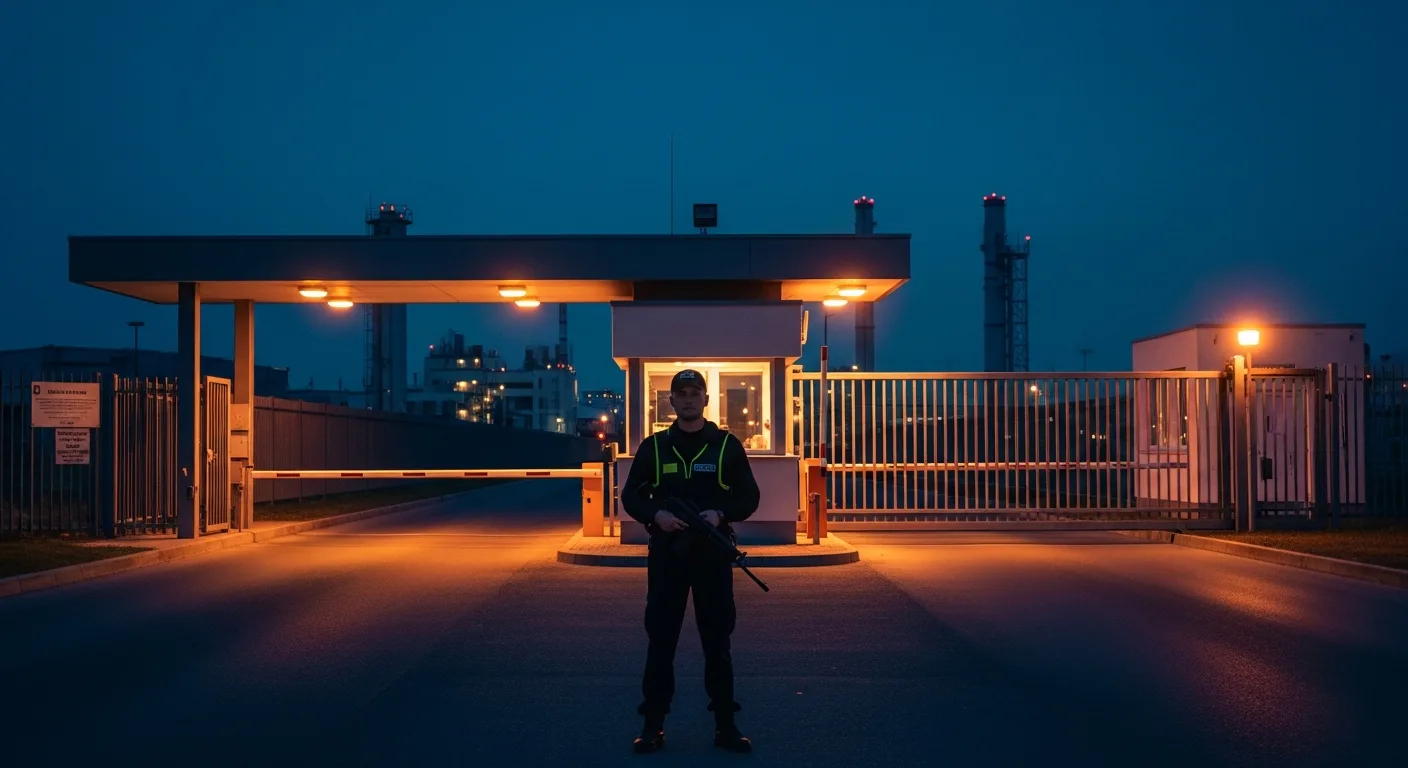
Say you run a distribution yard and need a guard at the main gate every hour. One officer can't do it, so the provider builds a rotation across several officers to cover both 12-hour shifts plus relief for days off and the inevitable sick call. The direct labor for those 168 weekly hours runs about $3,696–$5,880 per week at the unarmed rate. Over a month, that gate lands in the $16,000–$51,200 range, with the exact figure driven by your local wage market and how many officers the rotation needs to stay gap-free. If your gate only needs a body at night — when the yard is dark and empty — you're overpaying by staffing it all 24 hours. That's the insight that unlocks real savings.
Ways to cut the cost
The biggest lever is honesty about which hours actually carry risk. Most sites don't need a stationary officer every hour — they need presence, deterrence, and fast response during the risky window.
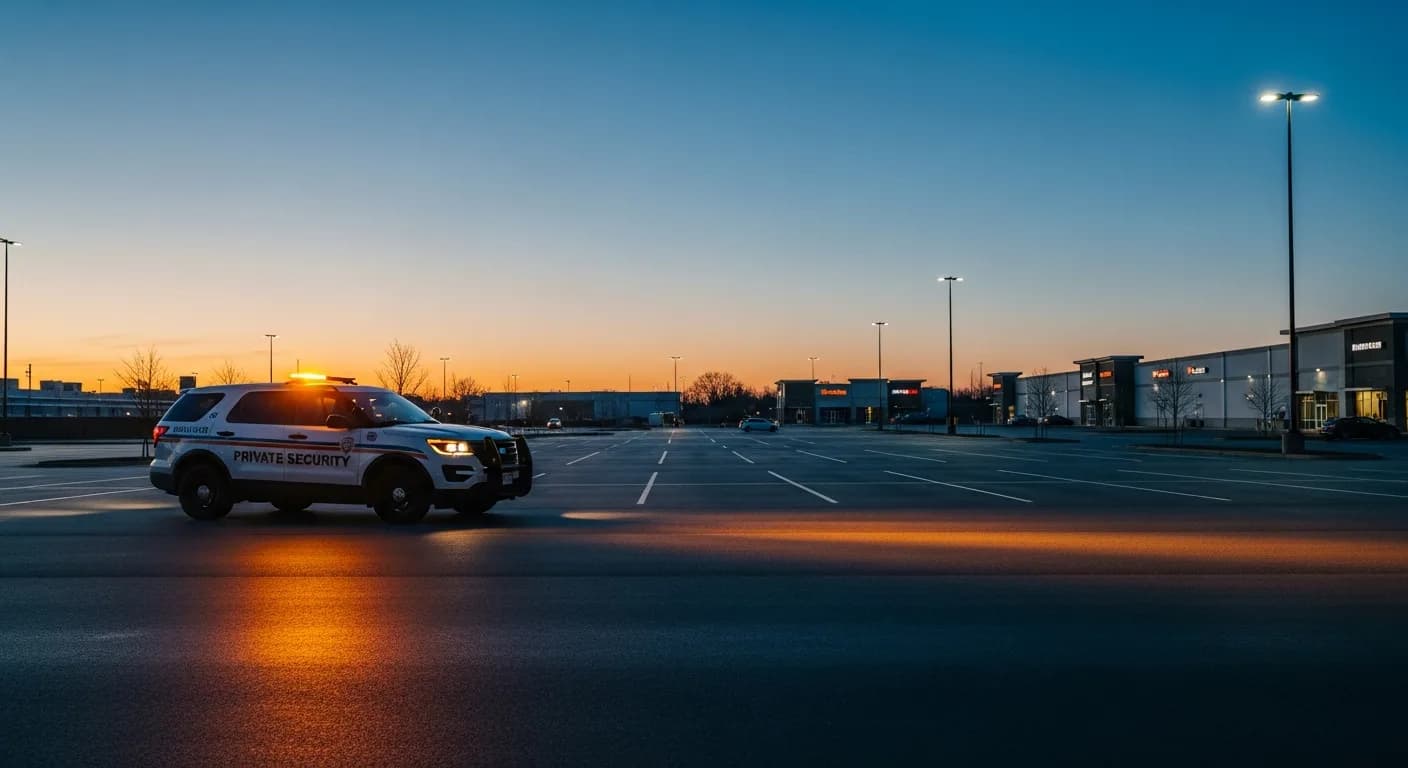
- Run a night-only post and cover the rest another way. Keep a guard on-site during your genuinely high-risk hours, then hand the quiet hours to a mobile patrol that sweeps the property on a schedule. Mobile patrol runs roughly $600–$2,500 per property per month — a fraction of a staffed post — because one patrol vehicle serves a route of multiple sites.
- Replace low-risk hours with remote monitoring. Video surveillance with active monitoring can watch a site's cameras during off-hours and dispatch on an alarm, giving you eyes and response without a full-time body on payroll.
- Reduce coverage to the hours you actually need. If your exposure is 10 p.m. to 6 a.m., don't buy 24 hours. Spec the window, not the day.
- Share patrol across a route. If you have several nearby properties, a single patrol route covering all of them beats a dedicated post at each.
Armed 24/7 and how it scales
Everything above assumes unarmed officers. Armed coverage costs more per hour — a premium over the unarmed rate for the licensing, training, and liability an armed post carries — and that premium multiplies across a 24/7 schedule. Because you're paying it on all 168 hours and across every officer in the rotation, going armed around the clock scales the monthly total up meaningfully rather than by a flat add-on. Reserve armed 24/7 for posts where the threat genuinely warrants it; for lower-risk overnight hours, an unarmed guard or patrol usually delivers the deterrence you need. Our armed security cost guide breaks down what drives the armed premium.
How to buy 24/7 coverage the right way
Buy the coverage window, not a headcount. Providers quote very differently depending on whether you say "give me two guards" or "cover this gate every hour with no gaps." The second framing forces the provider to own the relief math — vacation, sick time, and turnover become their scheduling problem, not a gap you discover at 3 a.m. Specify the exact hours that need a body, which hours can shift to patrol or video, whether the post is armed or unarmed, and what response time you expect on an incident. Then require the quote to state how the post stays covered during callouts and time off.
Model the tradeoffs before you sign. Our security cost calculator lets you compare a full 24/7 post against a night-only-plus-patrol blend so you can see the savings in your own numbers, and when you're ready to compare real bids, get quotes from licensed providers in your area to price the specific coverage window you actually need.
Frequently asked questions
How much does 24/7 security guard coverage cost per month?+
Why does 24/7 cost more than double a single shift?+
What's a cheaper alternative to a full-time overnight guard?+
How many guards does one 24/7 post actually require?+
How should I request a quote for around-the-clock coverage?+
Share this guide